
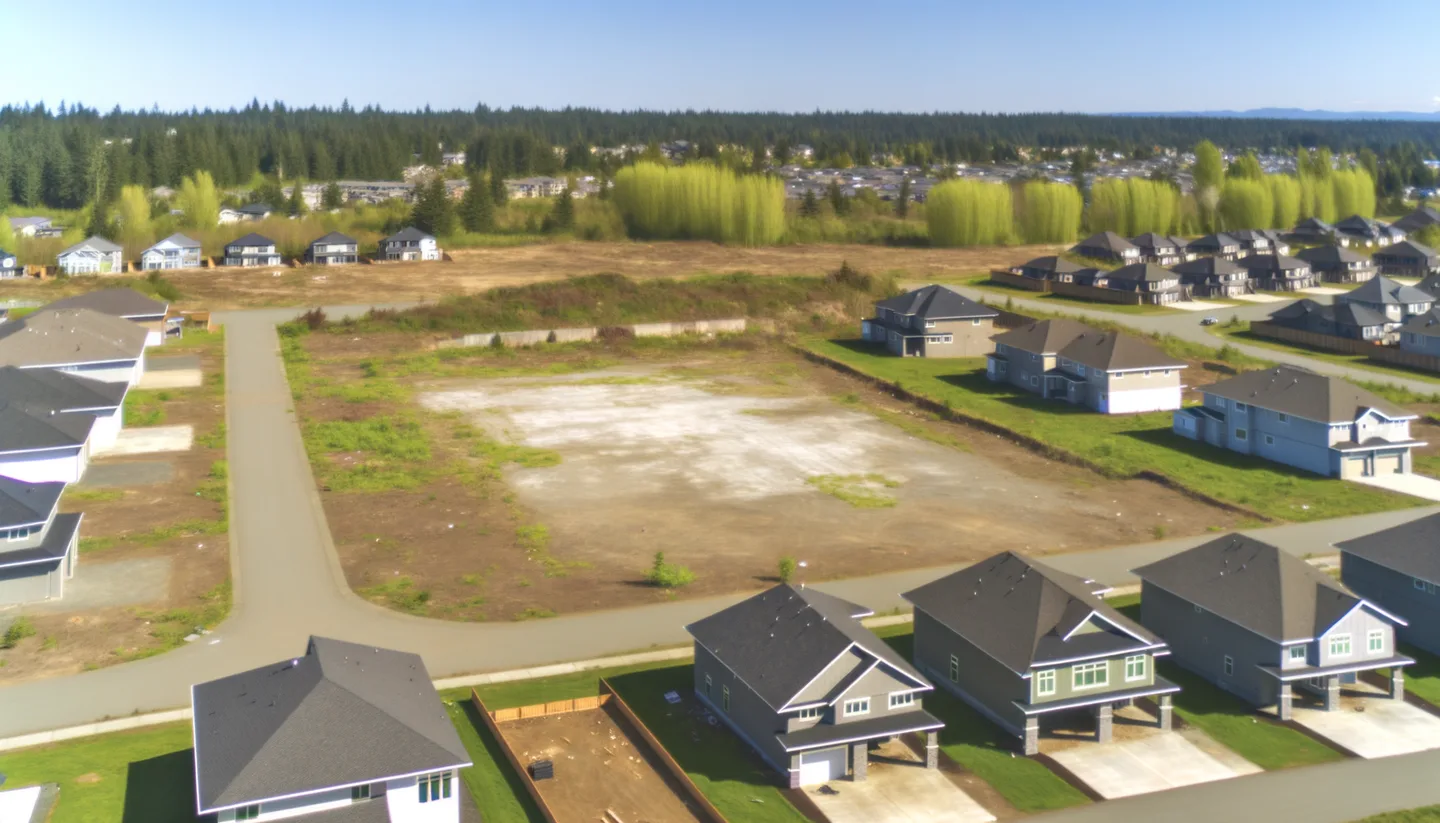
How to Sell Land To A Developer in TX for Cash
Selling Land To A Developer in TX: The Basics
If you want to sell your land to developers, the process is more straightforward than most people expect — but it does reward preparation. Developers are primarily looking at profit potential, so the key factors they evaluate include location, size, access to utilities, and whether local zoning allows their intended use. Before listing, it helps to understand what your property is worth per acre in your specific market. Addressing zoning issues early can prevent deals from falling apart later. Knowing how to position your parcel for developer interest can mean the difference between a quick, clean sale and months of uncertainty. This guide walks you through everything you need to know to sell your land confidently and on your terms.
Understanding Land Sale in Texas
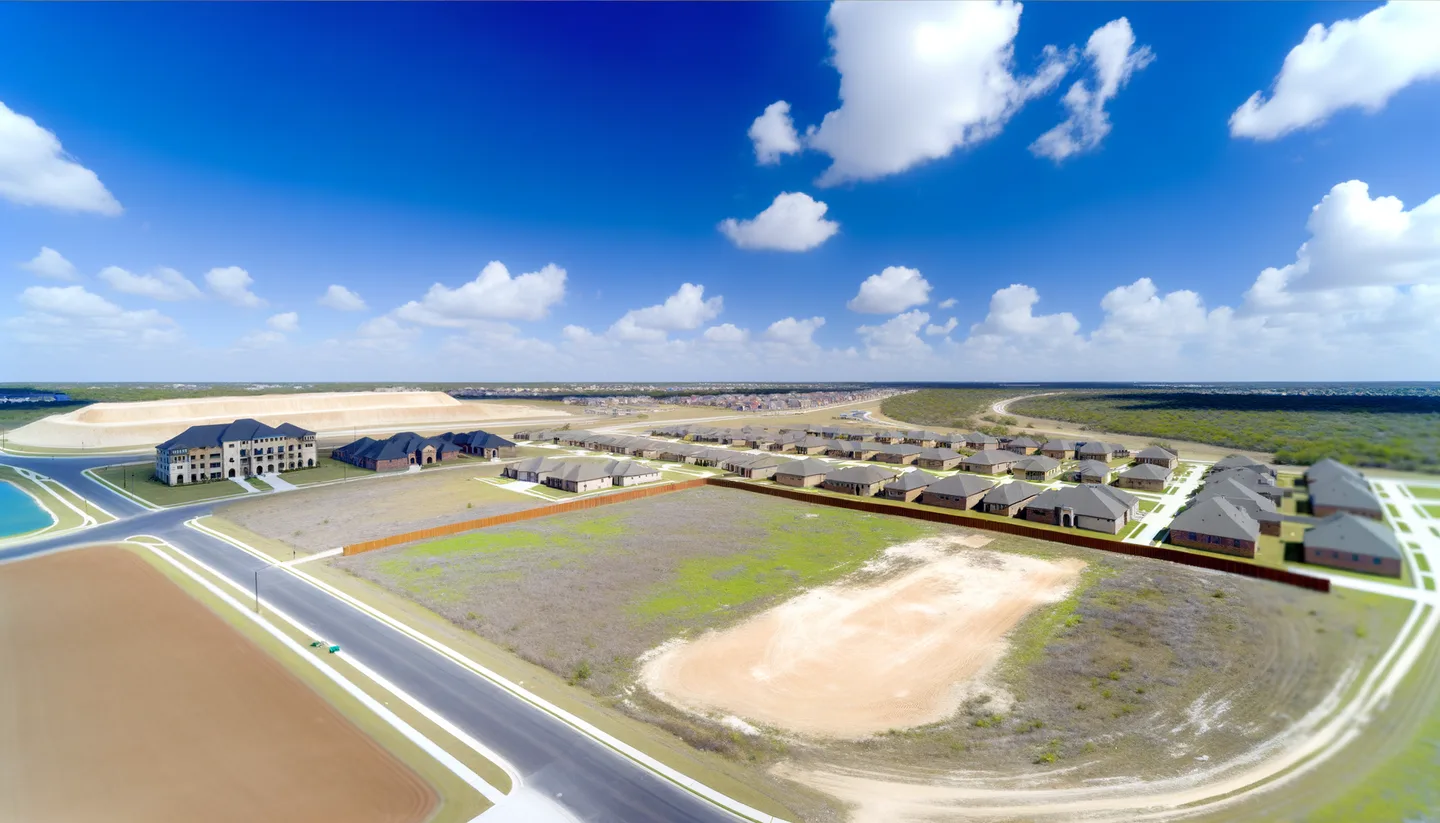
Texas is one of the most active land markets in the country right now. The state added over 1 million people in 2024 alone, and more than half the population lives within the Texas Triangle spanning Austin, Dallas, Houston, and San Antonio. That kind of growth fuels strong developer interest in raw land, especially in and around major metros.
For any landowner looking to sell in this environment, the opportunity is real — but so is the complexity. The process of selling land to a developer differs meaningfully from selling a house or other residential property. Developers often approach a purchase analytically, running detailed feasibility studies before they commit. Potential buyers in this space are typically investors, homebuilders, or commercial operators, and they base offers on projected returns rather than sentiment.
Understanding land value in your specific area is essential before you engage potential developers. Land value varies widely based on location, proximity to infrastructure, and what a developer can build there. Undeveloped land on the edge of a growing city may command significantly higher offers than a comparable parcel in a rural area with no utilities nearby. Market trends shift, and staying current on what similar properties in your area have sold for gives you real negotiating power.
Texas real estate law adds another layer to consider. Working with a real estate attorney familiar with land transactions is a smart move, particularly if your parcel has title complications or ag valuation history. Developers looking to build will run thorough title searches, and any cloud on the title can slow or kill a deal. Listing your property without first clearing known issues is rarely the best way to sell. Even understanding how a zone classification affects your parcel’s appeal to developers looking for specific use types can help you position the property more effectively and lead to a successful sale.
Capital gains tax is another issue landowners often underestimate. Texas has no state-level capital gains tax, but federal taxes still apply — and they can be significant. For a deeper breakdown of what to expect, the article on tax on selling land in Texas covers this topic in detail. Understanding your potential tax exposure before you accept an offer helps ensure the net proceeds actually meet your goals. Local real estate market conditions, current market pricing, and land selling activity in your county all shape what a developer will be willing to pay.
Step-by-Step: How to Sell Land To A Developer in Texas

Knowing how to sell land to a developer in a logical sequence makes the entire process less stressful. Here is a practical framework that works for most Texas landowners.
1. Assess your property’s development potential. Start by understanding what can actually be built on your parcel. Pull the current zoning classification from your county or city and confirm whether it aligns with what developers use in your area. Vacant land that is already zoned for residential or commercial use is generally easier to sell than land requiring a rezoning effort. Property owners who know their site’s constraints upfront are in a much stronger position during negotiations.
2. Determine the value of your land. Get a clear picture of market value before you name a price. A licensed appraiser or a real estate agent who specializes in land can run a comparative market analysis using recent sales of similar parcels. Developers use their own internal models to underwrite deals, so having independent data in hand helps you evaluate whether their offer is reasonable.
3. Gather key documents. Pull together your deed, survey, tax records, any existing easements, and information on mineral rights. If your land is in a flood zone or has environmental history, gather that documentation too. Being organized signals to a developer that the land development process will go smoothly.
4. Identify and approach developers. You can market your property online through land-specific listing platforms or work with a broker who has developer relationships. Attending local real estate investment meetings or contacting development companies directly are also effective strategies. If you own a vacant lot or larger vacant land near a growing corridor, developers may already be aware of your parcel.
5. Evaluate offers carefully. Developer offers often include contingencies tied to entitlements, financing, or rezoning approvals. Under Texas law, the option period gives the developer an unrestricted right to back out during due diligence — a period that typically runs 30-60 days for larger development projects. Consulting an attorney before signing is always wise.
6. Negotiate and close. Work with local authorities and a title company to clear any title issues and finalize the transaction. If you are hoping to sell land quickly, How to Sell Land Fast in Texas offers additional strategies worth reviewing.
Texas-Specific Considerations for Selling Land To A Developer
Texas landowners face a few state-specific issues that can significantly affect the sale process and the net proceeds from a land sale.
Agricultural valuation and rollback taxes. Many rural parcels in Texas carry an ag valuation — technically not a true exemption but a method under Texas Tax Code §23.51 that appraises land based on productive capacity rather than market value, resulting in much lower annual property taxes. When you sell property to developers and the land changes to a non-agricultural use, a rollback tax is triggered. That tax covers the difference between what was paid and what would have been owed at full market value for each of the previous three years, plus interest currently set at 7 percent per year. For Texas land with a long history of ag valuation, this can be a meaningful number. Factor it into your calculations before you settle on an acceptable purchase price.
Zoning and land use regulations. Unlike most states, Texas does not have statewide zoning laws. Public zoning regulations apply within city limits and, to a limited degree, within a city’s extraterritorial jurisdiction. In unincorporated areas, local regulations around zoning laws are minimal. This actually benefits many landowners — it can give developers more flexibility to pursue a range of uses. Still, confirming the regulatory environment for properties in your area before listing is essential, especially if a developer needs specific entitlements.
Mineral rights. In Texas, surface ownership does not automatically include the minerals beneath. A prior owner may have severed the mineral rights, which means land developers may factor this into their offer. Sellers must disclose known mineral rights ownership to buyers, and land acquisition negotiations can become more complex when the mineral estate is split.
No transfer tax. Texas is one of very few states with no real estate transfer tax, which simplifies the cost structure for land transactions. This is genuinely good news for sellers — it keeps more money in your pocket at closing compared to states like Florida or New York. If you want to market your land to out-of-state developers, this is worth mentioning. The real estate market here remains competitive, and this tax advantage is part of what draws investors to the state.
Common Questions About Selling Land To A Developer in Texas
How much will a developer pay for land?
There is no single answer, because developers build their offers around projected returns from specific development projects. A market analysis based on recent comparable land sales is the best starting point for understanding your property value. Developers also factor in zoning regulations, existing infrastructure like roads and utilities, the cost of environmental assessments, and their own profit margins. Land near growing metros generally commands stronger pricing. For a vacant parcel with clear entitlements and good access, offers may come in close to or above appraised market value. For raw land requiring extensive work, expect lower bids. Networking with local land brokers who regularly work with developers can help you understand what the land’s value realistically looks like in today’s market conditions.
How to avoid paying capital gains when selling land?
One of the most commonly used strategies for sales to developers is a 1031 exchange. Texas has no state capital gains tax, but federal rates can reach 20% of profit, and high earners also owe an additional 3.8% Net Investment Income Tax. A 1031 exchange allows you to defer that federal tax liability by rolling proceeds into a qualifying replacement property. Under IRS rules, you have 45 days from closing to identify up to three potential replacement properties and must close on one within 180 days. Missing either deadline invalidates the exchange and triggers full tax liability. Raw land held for investment qualifies for a 1031 exchange in Texas, but your primary residence does not. Speaking with a tax professional before you close on any land sale is strongly recommended. The Texas Comptroller of Public Accounts also provides useful guidance on property tax obligations relevant to land transactions.
Can You Sell Land to a Developer Without a Solicitor?
In Texas, you are not legally required to hire an attorney to complete a land sale. Under Texas law, all real estate contracts must be in writing, and the Texas Real Estate Commission provides standardized forms to help buyers and sellers structure enforceable agreements. That said, selling land to developers involves due diligence periods, contingencies, title reviews, and sometimes complex negotiations around mineral rights or mixed-use entitlements. Developers are skilled negotiators with experienced legal teams working on their behalf. Having your own real estate attorney or qualified land broker review the contract before you sign is a practical safeguard. For larger transactions especially, the cost of professional guidance is almost always worth it. Land buyers in this space are focused on protecting their own interests, and you should be equally focused on yours. If you own land near the Texas coast, Galveston County landowners face additional considerations worth reviewing with a local professional.
Your Options for Selling Land To A Developer in TX
Selling land to developers in Texas gives landowners access to a competitive, well-funded buyer pool in one of the fastest-growing states in the country. Whether you work directly with a real estate developer, list through a commercial real estate broker, or partner with a real estate professional who specializes in land, the right path depends on your timeline, your land’s characteristics, and your financial goals. Selling land to developers can close in as little as 2 weeks in some cases, particularly when the property is well-prepared and priced accurately. If you are weighing your options and want a straightforward conversation about what your land might be worth, feel free to reach out. There is no pressure — just honest information to help you make the best decision for your situation.
Need to sell your Texas land? We buy land directly from owners for cash, with no fees, no commissions, and we close in as little as 2 weeks.
Loading form…
Sell Your Texas Land for Cash
Ready to sell? We buy land directly from owners across Texas. Get a fast, no-obligation cash offer.